Modern work demands constant attention, speed, and mental energy. As a result, many professionals struggle to disconnect at the end of the day. How welding, gardening, and kayak fishing reduce post-work stress becomes clear when we examine their physical, mental, and emotional impacts. These hands-on activities create space for focus, rhythm, and calm.
Unlike passive entertainment, these hobbies demand active engagement. Therefore, they shift attention away from deadlines and digital noise. In addition, they restore balance through movement and measurable progress. Over time, this shift supports long-term stress reduction and resilience.
Why Hands-On Hobbies Reduce Stress After Work
Stress often builds when the mind does not slow down. Office work requires abstract thinking and constant decision-making. However, hands-on hobbies rely on physical action and visible results. This shift resets mental patterns and supports work-life balance.
When you weld, plant, or paddle, your senses guide you. You feel heat, soil, or water resistance. Consequently, your focus narrows to the present moment. That presence reduces stress hormones and quiets racing thoughts.
Physical hobbies also release stored tension. After hours of sitting, the body needs movement. Therefore, active hobbies improve circulation and reduce muscle stiffness. This physical relief directly supports mental clarity.
Welding for Stress Relief and Mental Focus
Welding demands precision, patience, and steady control. You must align materials, manage heat, and monitor every movement. As a result, stress-relief welding requires intense concentration. Your mind cannot wander when you guide a torch.
The welding arc creates a controlled environment. Bright light and focused motion block outside distractions. Therefore, stress from meetings and emails fades into the background. The task at hand becomes your only priority.
Moreover, welding offers visible progress. Each bead and joint shows clear improvement. This tangible outcome builds confidence and satisfaction. Unlike office tasks, which may feel abstract, welding provides immediate feedback.
The repetitive motion also promotes calm. When movements follow a steady rhythm, the nervous system stabilizes. Consequently, heart rate slows, and breathing becomes even. Over time, this pattern strengthens mental resilience.
Gardening for Mental Health and Emotional Balance
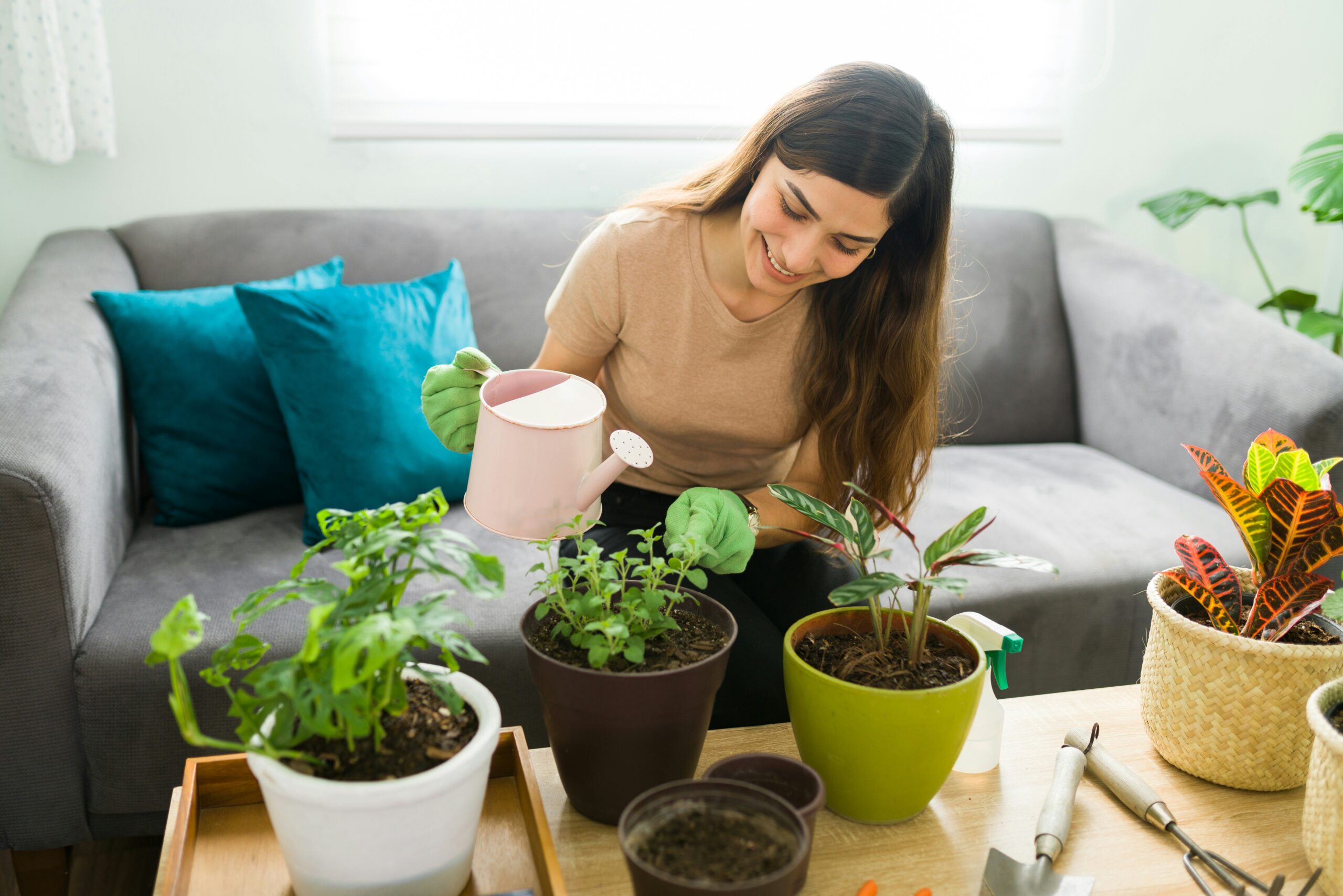
Gardening for mental health yields a distinct yet equally powerful effect. Soil, sunlight, and plant growth connect you to natural cycles. Therefore, gardening slows the pace of thought and encourages patience.
Working with plants requires attention but not urgency. You prepare the soil, plant the seeds, and water carefully. However, you cannot force growth. This lesson in patience reduces anxiety tied to constant control.
Gardening also promotes gentle physical activity. Digging, lifting, and pruning engage muscles without intense strain. As a result, the body releases tension while avoiding overload.
Furthermore, plants provide visible evidence of care. Watching something grow because of your effort builds quiet pride. This sense of contribution supports emotional balance. Over time, gardening strengthens a calm, steady mindset after work.
Kayak Fishing and Mindfulness on the Water
Kayak fishing and mindfulness are naturally complementary. Water environments reduce sensory overload. Instead of traffic and screens, you experience wind, current, and open space. Therefore, the mind shifts into a slower rhythm.
Paddling requires steady, controlled movement. Each stroke demands balance and coordination. Consequently, attention stays anchored in the present. This physical focus reduces intrusive thoughts and lingering work stress.
Fishing adds another layer of concentration. You observe water patterns, adjust bait, and monitor subtle movements. However, success requires patience rather than speed. This balance between action and waiting cultivates emotional control.
Moreover, water has a calming psychological effect. Gentle waves and natural light support relaxation. Over time, regular kayak fishing sessions develop strong stress-management habits. The body learns to associate water with restoration.
Building a Healthy Work-Life Balance Through Physical Hobbies
Many professionals struggle with work-life balance because boundaries blur. Remote work and constant notifications extend the workday. However, structured hobbies create clear transitions from work to personal time.
When you schedule welding, gardening, or kayak fishing, you create commitment. Therefore, you intentionally shift focus rather than drift into more screen time. This conscious choice strengthens personal discipline.
Physical hobbies also reduce reliance on passive coping habits. Instead of scrolling through social media, you build or grow something real. As a result, you gain energy instead of losing it.
Additionally, these activities reinforce identity beyond career roles. You are not only an employee or manager. You are also a welder, gardener, or angler. This broader identity protects mental health during workplace challenges.
The Long-Term Impact of Stress Reduction After Work
Consistent post-work stress reduction protects both mental and physical health. Chronic stress is associated with fatigue, irritability, and poor sleep. However, active hobbies interrupt that cycle.
When the body moves, and the mind focuses, cortisol levels decline. Therefore, sleep improves,s and recovery accelerates. Over time, this pattern enhances productivity during work hours.
These hobbies also build mastery. Each project, harvest, or successful catch increases competence. Consequently, confidence grows in other areas of life. Stress diminishes when you feel capable and grounded.
Moreover, structured leisure creates predictability. You know that relief awaits after demanding days. This expectation alone reduces anxiety during work. The mind trusts that balance will return.
Practical Integration of Welding, Gardening, and Kayak Fishing
You do not need large blocks of time to benefit. Even short sessions can reset mental focus. For example, thirty minutes in a garden or workshop creates a meaningful separation from work.
Start with clear boundaries. Finish work tasks, then transition physically. Change clothes, step outside, or prepare tools. Therefore, the brain receives a signal that work has ended.
Consistency matters more than intensity. Regular engagement builds stronger neural patterns than occasional long sessions. Over time, these hobbies become reliable anchors for stress relief.
Most importantly, choose activities that demand attention. The key factor in how welding, gardening, and kayak fishing reduce post-work stress lies in their immersive focus. When your body and mind engage fully, stress cannot dominate.
A Structured Path to Stress Reduction After Work
Modern careers demand resilience and adaptability. However, resilience does not grow from constant pressure. It develops through cycles of effort and restoration. Welding, gardening, and kayak fishing provide that restoration in structured ways.
These hobbies combine movement, concentration, and visible results. Therefore, they reduce stress at both physical and psychological levels. They replace digital overload with tangible creation and natural rhythm.
Understanding how welding, gardening, and kayak fishing reduce post-work stress offers more than lifestyle advice. It reveals a disciplined strategy for sustainable performance. When professionals protect their recovery time, they protect their long-term success.
In a culture that glorifies nonstop work, deliberate leisure becomes a competitive advantage. By investing in physical hobbies, you build clarity, strength, and emotional balance. Over time, that balance supports both career growth and personal well-being.