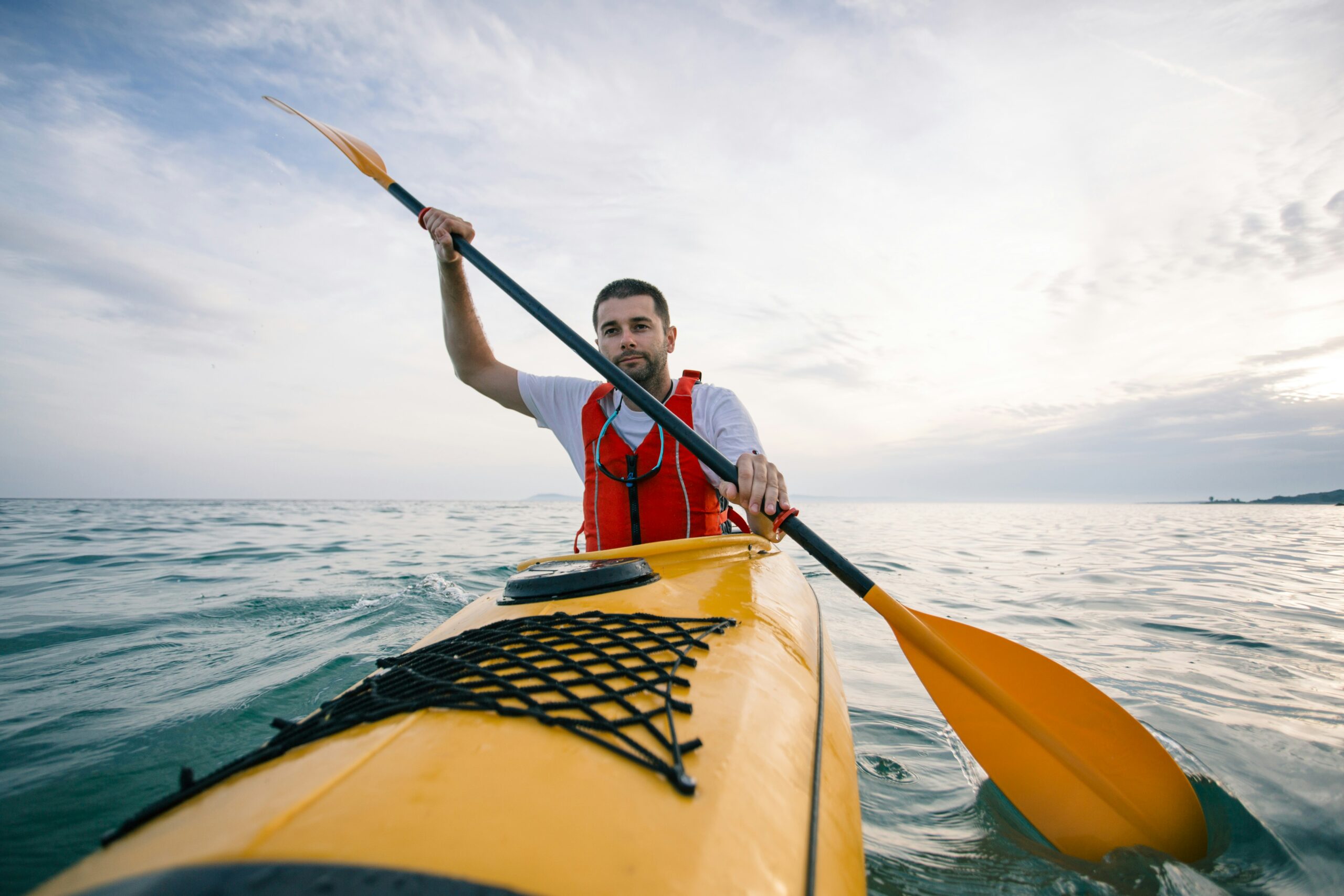
Kayak fisherman safety tips matter more today than ever before because kayak fishing continues to grow across rivers, lakes, and coastal waters. Kayaks offer freedom, silence, and access to places boats cannot reach. However, they also demand respect for water, weather, and personal limits. When anglers fish smart, they enjoy better trips and return home safely every time.
This guide focuses on practical kayak fisherman safety tips that work in real conditions. Whether you paddle calm lakes, moving rivers, or open ocean water, safety starts with preparation and awareness. By understanding risks and making wise choices, you protect yourself while improving your fishing experience.
Understanding the Unique Risks of Kayak Fishing
Kayak fishing places you close to the water, which increases exposure to currents, waves, and sudden weather changes. Unlike larger boats, kayaks react quickly to wind and moving water. Because of this, anglers must stay alert and constantly adjust their position. Awareness helps prevent capsizing and drifting into dangerous areas.
In addition, kayak fishermen often fish alone or far from shore. Therefore, self-reliance becomes critical. When you understand these risks ahead of time, you plan better routes and avoid unsafe conditions. As a result, kayak fisherman safety tips become habits rather than afterthoughts.
Thoughtful Preparation Before You Launch
Preparation sets the tone for a safe kayak fishing trip. Always check weather forecasts, tides, and current reports before heading out. Sudden storms or strong winds can turn calm water into a dangerous situation. When you plan around conditions, you reduce risk and stress.
Equally important, tell someone where you plan to fish and when you expect to return. This simple habit saves lives in emergencies. Kayak fisherman safety tips start long before your kayak touches water, and preparation makes the most significant difference.
Kayak Fisherman Safety Tips for River Fishing
River fishing requires respect for moving water. Currents push kayaks faster than many anglers expect. Therefore, always scout rivers ahead of time and understand where obstacles such as rocks, strainers, and dams are located. Staying upstream of hazards gives you room to react.
Additionally, position your kayak at angles that work with the current rather than against it. This approach improves stability and control. When you fish rivers with patience and planning, kayak fisherman safety tips help you enjoy steady water rather than fight it.
Kayak Fisherman Safety Tips for Lake Fishing
Lakes often look calm, yet they hide sudden dangers. Wind can build waves quickly, especially on large lakes. Because of this, stay close to shore when conditions change. Shorter paddling distances reduce fatigue and exposure.
Boat traffic also increases the risk on lakes. Powerboats may not easily see low-profile kayaks. Bright clothing and visible flags help other boaters notice you sooner. These kayak fisherman safety tips allow you to fish lakes confidently while staying protected.
Essential Gear That Supports Kayak Fisherman Safety
Proper gear supports kayak fisherman safety tips every time you launch. A well-fitted personal flotation device should stay on your body at all times. Even strong swimmers need flotation because cold water and sudden falls drain energy fast. Wearing it ensures you stay afloat and visible.
Communication tools also play a key role in safety. A waterproof phone case, whistle, or marine radio allows you to call for help quickly. When you combine safety gear with intelligent decision-making, you create a strong defense against unexpected problems.
Kayak Fisherman Safety Tips for Ocean Fishing
Ocean kayak fishing demands the highest level of respect and caution. Tides, swells, and offshore winds can push kayaks farther from shore than expected. Therefore, always consult tide charts and avoid paddling against the outgoing tide.
Furthermore, wear clothing designed for immersion rather than air temperature. Cold water can quickly shock the body, even on warm days. When you prepare for immersion, kayak fishing safety tips reduce panic and increase your chances of survival offshore.
Maintaining Balance and Stability While Fishing
Balance remains a core skill for kayak fishermen’s safety. Sudden movements, leaning too far, or standing without practice can cause capsizing. Instead, move slowly and keep your center of gravity low. Smooth motions maintain control.
Practice re-entering your kayak in shallow water before fishing deeper areas. This skill builds confidence and reduces fear if you fall in. When stability becomes second nature, kayak fisherman safety tips feel natural and effective.
Weather Awareness and On-the-Water Decisions
Weather awareness continues throughout your trip. Clouds, shifting winds, and temperature drops signal changing conditions. When you notice these signs early, you return to shore before danger escalates.
Trust your instincts and avoid pushing limits for one more cast. Fish will always return another day. Smart decisions align with kayak fisherman safety tips and protect your life more than any catch ever could.
Physical and Mental Readiness for Kayak Fishing
Kayak fishing demands physical effort and mental focus. Fatigue slows reactions and clouds judgment. Therefore, stay hydrated, eat regularly, and take breaks as needed. Energy management keeps you alert and responsive.
Mental readiness also matters. Stay calm when problems arise and focus on solutions. Panic leads to mistakes, while clear thinking supports safety. These kayak fisherman safety tips emphasize preparation of both body and mind.
Building Long-Term Kayak Fisherman Safety Habits
Safety improves when habits replace reminders. Practice launching, landing, and paddling in controlled environments before tackling challenging waters. Experience builds confidence, and confidence supports better decisions.
Over time, kayak fisherman safety tips become part of your fishing identity. You protect yourself, respect the water, and inspire others to do the same. Safe anglers enjoy longer seasons and stronger memories.