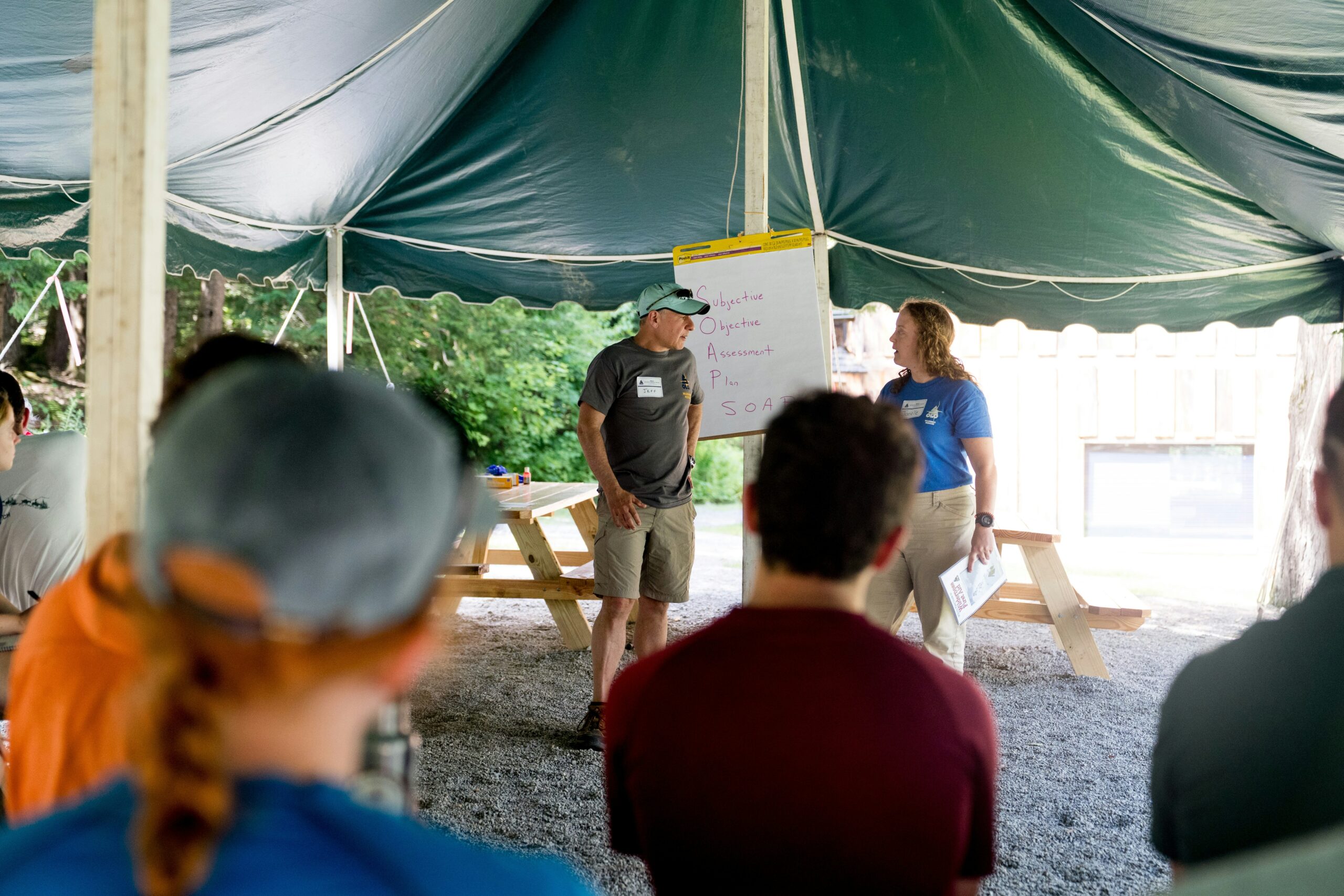
Volunteerism in Leadership shapes strong teams, healthy cultures, and lasting community impact. When leaders step into service, they build trust and show care through action. As a result, people feel seen and valued. This simple shift moves Leadership from control to connection. Moreover, it turns empathy into a daily habit instead of a distant ideal.
Today, many teams seek leaders who listen, serve, and guide with heart. Therefore, Volunteerism in Leadership stands out as a powerful model. It blends service with strategy and compassion with clear goals. While many leadership styles focus solely on results, this approach puts people at the center. That focus drives loyalty and shared purpose.
Understanding Volunteerism in Leadership
Volunteerism in Leadership means that leaders give their time and energy to serve others without seeking personal gain. They act with care, humility, and purpose. Instead of leading from above, they lead beside their teams. This mindset builds empathy through direct action.
For example, a leader may join community outreach efforts or support a local cause with their team. Through shared service, they learn about real struggles and real hopes. Consequently, they make better decisions at work. They understand the human side of every choice.
In addition, Volunteerism in Leadership promotes active listening. Leaders who serve learn to hear stories without judgment. They respond with respect and compassion. As a result, employees feel safe to share ideas and concerns. This open flow of communication strengthens the entire organization.
How Volunteerism in Leadership Builds Empathy
Empathy grows when leaders experience life outside their usual roles. Volunteerism in Leadership creates that space. When leaders work in shelters, schools, or community centers, they see challenges up close. Therefore, they gain insight that no report can provide.
Moreover, service places leaders in learning roles. They follow others, take guidance, and adapt to new tasks. This shift builds humility. Humility, in turn, fuels empathy. When leaders accept that they do not have all the answers, they become more open and patient.
Meanwhile, teams notice these actions. They see leaders who show up and contribute. That visibility matters. It sends a clear message that everyone’s effort counts. As a result, empathy spreads across the workplace.
Volunteerism in Leadership also reduces the distance between leaders and staff. Shared service breaks down titles and roles. People connect as humans first. Because of this connection, collaboration improves, and conflicts ease.
Creating a Culture of Service
A single act of service can inspire change. However, lasting impact requires culture. Volunteerism in Leadership thrives when organizations support it at every level. Leaders can start by modeling service in visible ways. When they lead by example, others follow.
Furthermore, leaders can invite teams to join service projects that align with shared values. This approach builds unity. It also gives employees a voice in choosing causes that matter to them. Consequently, engagement rises.
Communication plays a key role as well. Leaders should share stories from service experiences. They can explain what they learned and how it shapes company goals. Through storytelling, they connect community impact with daily work.
In addition, companies can align business strategies with service values. For instance, a company that supports education may invest in employee learning programs. This alignment strengthens authenticity. Volunteerism in Leadership becomes part of the brand rather than a side activity.
The Business Benefits of Volunteerism in Leadership
While empathy drives this approach, business results often follow. Volunteerism in Leadership strengthens trust, and trust fuels performance. When employees trust their leaders, they commit more deeply to their work.
Moreover, service enhances reputation. Customers and partners prefer organizations that show genuine care. Therefore, leaders who practice service create strong community ties. These ties support long-term growth.
Employee retention also improves. People seek meaning in their work. When leaders promote service, they connect daily tasks to a larger purpose. As a result, employees feel proud of where they work.
Volunteerism in Leadership also sharpens decision-making. Leaders who engage with diverse communities gain broader views. They consider social impact alongside profit. Consequently, they avoid narrow thinking and short-sighted choices.
Developing Volunteerism in Leadership Skills
Leaders can strengthen Volunteerism in Leadership through intentional practice. First, they can commit to regular service. Consistency builds credibility. It shows that service matters, not just during special events.
Next, leaders can reflect on their experiences. After each service effort, they can ask what they learned about people, systems, and needs. Reflection turns action into insight. Insight, in turn, guides better Leadership.
Mentorship also supports growth. Leaders can encourage rising managers to join service initiatives. Through shared experiences, they pass down values of empathy and responsibility. Therefore, Volunteerism in Leadership spreads across generations of Leadership.
Training programs can include service components as well. Instead of teaching Leadership only in classrooms, organizations can blend lessons with community engagement. This approach creates practical learning. Participants see how empathy shapes real outcomes.
Overcoming Challenges in Volunteerism in Leadership
Some leaders worry about time and resources. They may believe that service distracts from core goals. However, Volunteerism in Leadership often enhances focus rather than weakens it. When leaders clarify purpose, teams work with greater energy.
Another challenge involves authenticity. Employees can sense when service feels forced. Therefore, leaders must act from genuine care. They should choose causes that align with personal and organizational values. Authentic service builds trust, while shallow gestures erode it.
Meanwhile, leaders must balance visibility with humility. Sharing service stories can inspire others. Yet leaders should avoid self-praise. They can highlight team effort and community impact instead. This balance keeps the focus on shared growth.
Finally, organizations must measure impact in meaningful ways. While service aims to help others, it also shapes culture. Leaders can gather feedback from employees and community partners. Through open dialogue, they refine their approach.
Real World Impact of Volunteerism in Leadership
Across industries, leaders who embrace service create change that lasts. They build workplaces where empathy guides strategy. They form partnerships that support local needs. As a result, communities and companies grow together.
For example, when leaders volunteer in youth programs, they gain insight into future workforce needs. They may then invest in workplace training or mentorship. This connection creates a cycle of support and opportunity.
Moreover, Volunteerism in Leadership strengthens resilience. During times of crisis, leaders who already serve their communities respond quickly and compassionately. They know local networks and understand urgent needs. Therefore, they act with clarity and confidence.
Employees also develop pride when they see leaders give back. Pride fuels motivation. Motivation drives innovation. In this way, service influences both heart and performance.